
Urinary Incontinence Physiotherapy in Kuala Lumpur
“Every time I sneezed, I braced myself. Every laugh came with fear. I started planning my life around the nearest bathroom.”
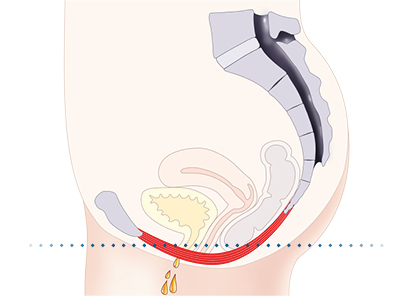
Urinary incontinence means leaking urine unintentionally, including with coughing, exercise or a sudden urge to urinate. Pelvic floor physiotherapy assesses strength, relaxation, coordination and everyday pressure management rather than assuming that every pelvic floor simply needs more strengthening.
Leakage can affect exercise, travel, work, prayer, sleep and confidence. An individual assessment can help clarify the factors contributing to your symptoms.
Leakage can affect exercise, travel, work, prayer, sleep and confidence. An individual assessment can help clarify the factors contributing to your symptoms.

Common Urinary Leakage and Bladder Symptoms
Urinary incontinence (Urine leakage) can show up in different ways:
- A few drops when you cough, sneeze, or laugh
- Leaking during exercise or lifting
- A strong urge to pee that comes suddenly — and you can’t make it in time
- Feeling like you can’t fully empty your bladder
- Waking up at night with a strong need to urinate
Urinary Incontinence isn’t just only due to bad habits or aging. It often comes from pelvic floor muscles that aren’t functioning the way they should — due to childbirth, stress, surgery, hormones, or even long-standing tension in the body.
Beyond Inconvenience
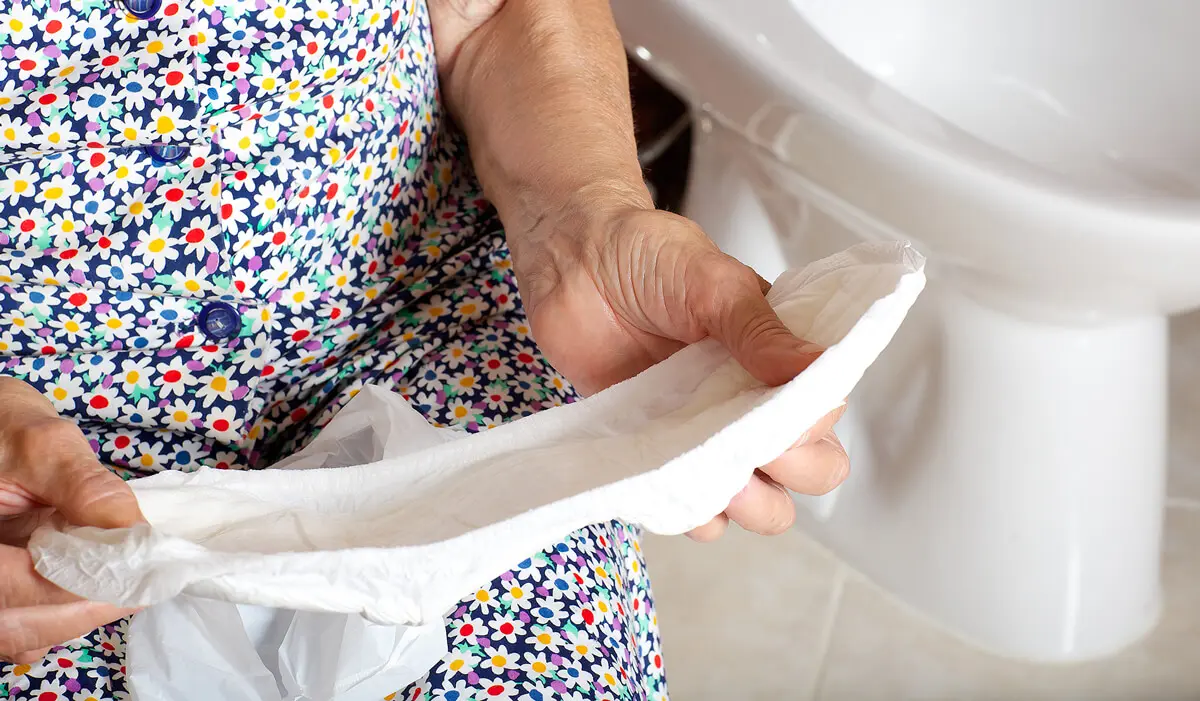
Leaking urine is not just about wet panties or wearing pantyliners. It can start to affect your daily life in ways you didn’t expect:- Feeling anxious in public places
- Avoiding long drives or outings
- Worrying during prayers or meetings
- Skipping exercise or sports you once enjoyed
- Keeping pads or black pants in every bag 'just in case'
- Feeling embarrassed around your partner
Many women slowly shrink their lives to feel safe — but that’s not true freedom. You shouldn’t have to shrink yourself to manage what your body is telling you.
Our Treatment Flow
Step 1
Initial Consultation & EducationReviews history and symptoms, introduces a bladder diary, and provides basic education on pelvic floor anatomy and incontinence types.
Step 2
Pelvic Physical AssessmentInvolves postural and movement evaluation, along with internal and external pelvic floor muscle assessment to check tone, strength, coordination, and signs of prolapse.
Step 3
Customized Pelvic Floor Activation TreatmentIncludes individualized pelvic floor muscle training, bladder training tips, advice on toileting posture, and fluid management strategies.
Step 4
PlanningFocuses on establishing short- and long-term goals, outlining follow-up visit frequency, answering questions, and providing take-home educational materials.
Related Pelvic Health Guides
A calm, private space where you can speak freely — without fear or embarrassment.
Here, you're seen not just as a patient, but as a whole woman, with feelings, fears, goals, and stories.
We’re here. We’re listening. And we’re in this with you.
Your First Consultation
New Client First Consultation
from RM200
- Private discussion about your concerns and goals
- Relevant physical assessment
- Initial treatment where clinically appropriate
- Personalized treatment recommendations
- 60-minute assessment
- Private & confidential
- No referral needed
×
![]()