
Pelvic PainWomen & Men
“Every step, every seat, every morning, an invisible struggle.”
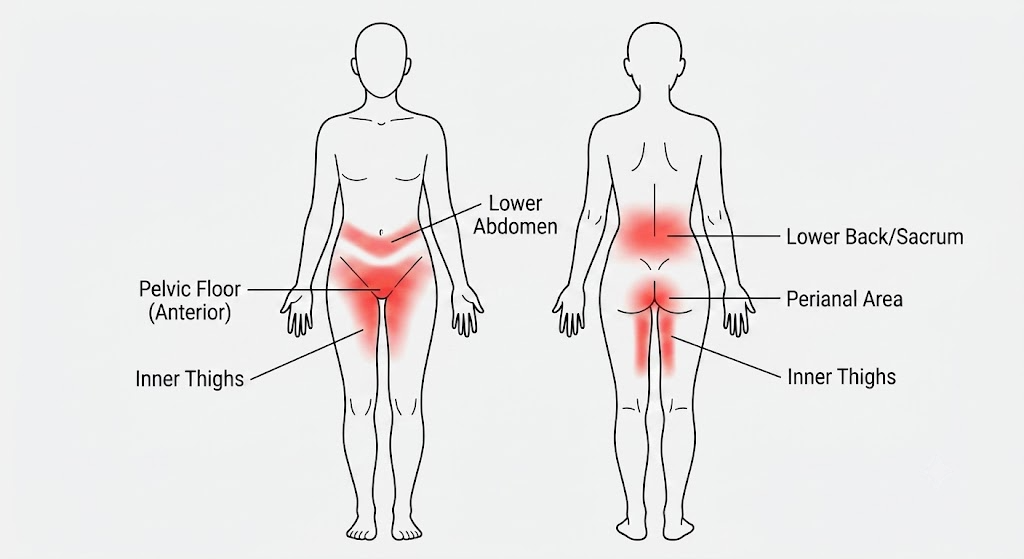
Pelvic pain is pain or discomfort felt in the lower abdomen, pelvis, groin, genitals, perineum, hips, or lower back. It may be sharp, burning, aching, cramping, or feel like pressure. When symptoms persist or keep returning, they may be described as chronic pelvic pain. In men, ongoing pelvic pain may sometimes be diagnosed as Chronic Prostatitis/Chronic Pelvic Pain Syndrome (CP/CPPS). Pelvic pain physiotherapy assesses the muscles, movement, and pelvic floor factors that may be contributing to these symptoms.
Pelvic pain can affect both women and men. It is a symptom rather than a single diagnosis, and it may involve the pelvic floor muscles, nerves, joints, bladder, bowel, or reproductive organs. Because several factors can contribute at the same time, a careful assessment helps identify what may be maintaining your pain and whether medical review is also needed.
Pelvic pain can affect both women and men. It is a symptom rather than a single diagnosis, and it may involve the pelvic floor muscles, nerves, joints, bladder, bowel, or reproductive organs. Because several factors can contribute at the same time, a careful assessment helps identify what may be maintaining your pain and whether medical review is also needed.
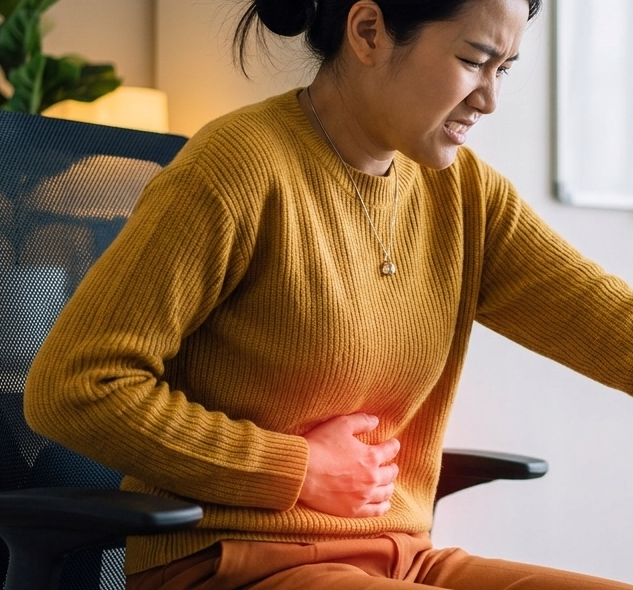
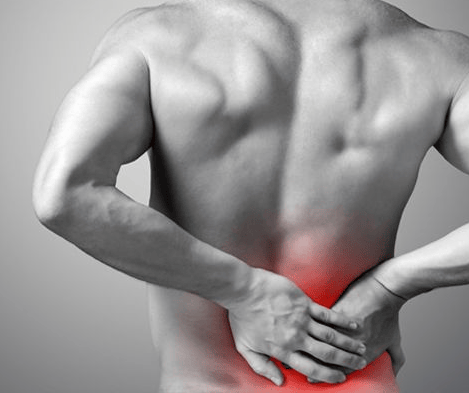
What Can Pelvic Pain Feel Like?
Pelvic pain can show up differently from person to person:
- Ache, pressure or tailbone pain in your lower belly, hips, or lower back
- Sharp, burning, or stabbing pain in the groin, genitals, or pelvic area
- Pain triggered by movement such as sitting, walking, exercising, or sleeping
- Discomfort or numbness during or after urination, bowel movements, or sexual activity
- Urinary urgency or frequency, difficulty starting, or a feeling of incomplete emptying
- A feeling of heaviness or fullness in the pelvic region or rectum
You do not need to wait until pain becomes unbearable. If it keeps returning, limits everyday activities, or changes your bladder, bowel, or sexual function, it deserves a proper assessment.
What Can Cause Pelvic Pain?
Pelvic pain often has more than one contributing factor. Possible causes include:- Infections and inflammation, such as UTIs or pelvic inflammatory disease
- Muscle Hypertone (Pelvic floor muscle tightness, strain, or imbalance)
- Nerve irritation or damage in the pelvis, lower back, or hips
- Digestive and bowel disorders, such as IBS or chronic constipation
- Gynecological conditions, including endometriosis, fibroids, or painful periods
- Male pelvic conditions, such as chronic prostatitis (CP/CPPS)
- Physical trauma, including past surgery, childbirth, scar tissue, or joint injury
- Working Stress, anxiety, and poor sleep, which heighten pain sensitivity in the nervous system
Physiotherapy can address musculoskeletal and pelvic floor contributors, while your therapist may recommend medical assessment when symptoms suggest another cause that needs investigation.
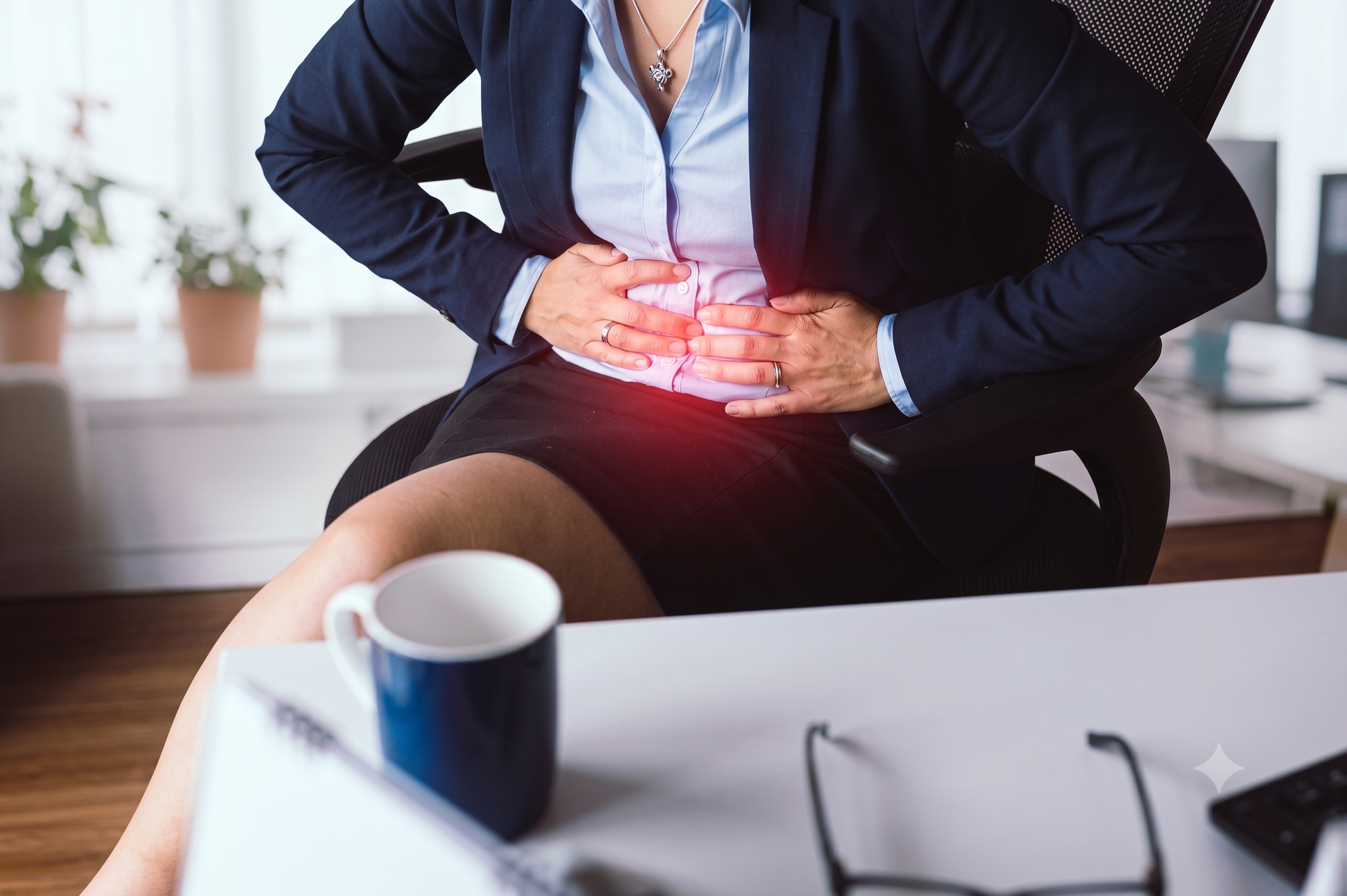
Our Treatment May Include
Your care is tailored to your symptoms, assessment findings, comfort, and goals. Treatment is always explained first and provided with your consent.
Comprehensive Assessment
We evaluate your history, symptoms, goals, posture, breathing, and overall movement patterns.
We evaluate your history, symptoms, goals, posture, breathing, and overall movement patterns.
Pelvic Floor Evaluation
We check your pelvic floor coordination. Any internal exam is entirely optional and always consent-based.
We check your pelvic floor coordination. Any internal exam is entirely optional and always consent-based.
Hands-On Therapy
Gentle manual techniques help release tight muscles, scar tissue, and joint restrictions.
Gentle manual techniques help release tight muscles, scar tissue, and joint restrictions.
Relaxation & Down-Training
Learn breathing and lengthening strategies to calm tense pelvic muscles and nervous system guarding.
Learn breathing and lengthening strategies to calm tense pelvic muscles and nervous system guarding.
Custom Exercise Plan
A gradual mobility and strengthening program tailored to help you safely return to full activity.
A gradual mobility and strengthening program tailored to help you safely return to full activity.
Education & Flare-Up Support
Practical tools for managing flare-ups, sitting comfortably, pacing, and daily self-care.
Practical tools for managing flare-ups, sitting comfortably, pacing, and daily self-care.
Pelvic pain is real, especially with a busy lifestyle. You don’t have to face it alone.
You Deserve to Feel Heard, Understood, and Supported
Your First Consultation
New Client First Consultation
from RM200
- Private discussion about your concerns and goals
- Relevant physical assessment
- Initial treatment where clinically appropriate
- Personalized treatment recommendations
×
![]()