
Diastasis Recti Physiotherapy in Kuala Lumpur
“That ‘Mom Pooch’ Has a Name—And Yes, You Can Fix It!”
Diastasis recti is a widening and change in tension through the tissue between the abdominal muscles. Physiotherapy looks beyond gap width to assess doming, breathing, pressure management, function and your movement goals.
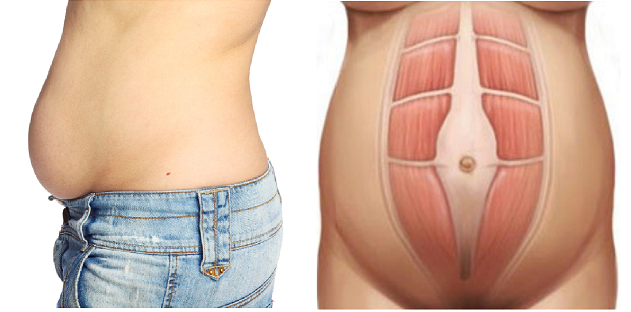
Diastasis recti is a separation of the rectus abdominis muscles (the ‘six-pack’ muscles) along the center of the abdomen. During pregnancy, the growing uterus puts pressure on the connective tissue (linea alba) between these muscles, causing them to stretch and pull apart. This separation is completely natural and happens in many pregnancies, but for some women, the gap doesn’t close on its own after birth.
Diastasis recti is a separation of the rectus abdominis muscles (the ‘six-pack’ muscles) along the center of the abdomen. During pregnancy, the growing uterus puts pressure on the connective tissue (linea alba) between these muscles, causing them to stretch and pull apart. This separation is completely natural and happens in many pregnancies, but for some women, the gap doesn’t close on its own after birth.

Common Signs of Diastasis Recti
Common Signs of Diastasis Recti:
- A visible ridge or bulge down the midline of the abdomen, especially when straining
- Weakness or instability in the core
- Low back, hip, or pelvic pain
- Poor posture
- Feeling of abdominal “emptiness” or disconnection
- Difficulty lifting, twisting, or returning to exercise
- In some cases, bloating or digestive issues
Some people notice a gap, bulge, or lingering core weakness beyond 6–8 weeks postpartum—or even years later—which may be a sign their body needs more support to fully heal.
Why It’s More Than Just a Cosmetic Issue
While many people associate diastasis recti with the look of a “mom pooch,” this condition goes beyond appearance. The abdominal muscles are a key part of your core stability system, working closely with your pelvic floor, spine, and diaphragm. When the muscles and connective tissue are overstretched, it can affect:- Your posture and breathing
- Pelvic floor function (leaking, prolapse)
- Core strength and balance
- Everyday movements like lifting, bending, and carrying your baby
Diastasis recti are incredibly common—but it doesn’t have to be permanent. With the right support, your body can recover, rebuild, and feel strong again.

Our Treatment Included
diastasis recti is treatable—without surgery in most cases. A trained pelvic floor or postpartum physical therapist can assess your core and design a personalized program to help close the gap and restore full function.
Abdominal muscle training
Breathing exercises
Pelvic floor strengthening
Postural and movement retraining
Guided progression back to fitness or daily activity with correct techniques
Manual techniques if needed
Related Pelvic Health Guides
Strength begins with awareness — and we’re here to help you rebuild from the inside out.
Many women experience this, and recovery is absolutely possible.
This journey is yours, but you don’t have to walk it alone.
Your First Consultation
New Client First Consultation
from RM200
- Private discussion about your concerns and goals
- Relevant physical assessment
- Initial treatment where clinically appropriate
- Personalized treatment recommendations
- 60-minute assessment
- Private & confidential
- No referral needed
×
![]()