
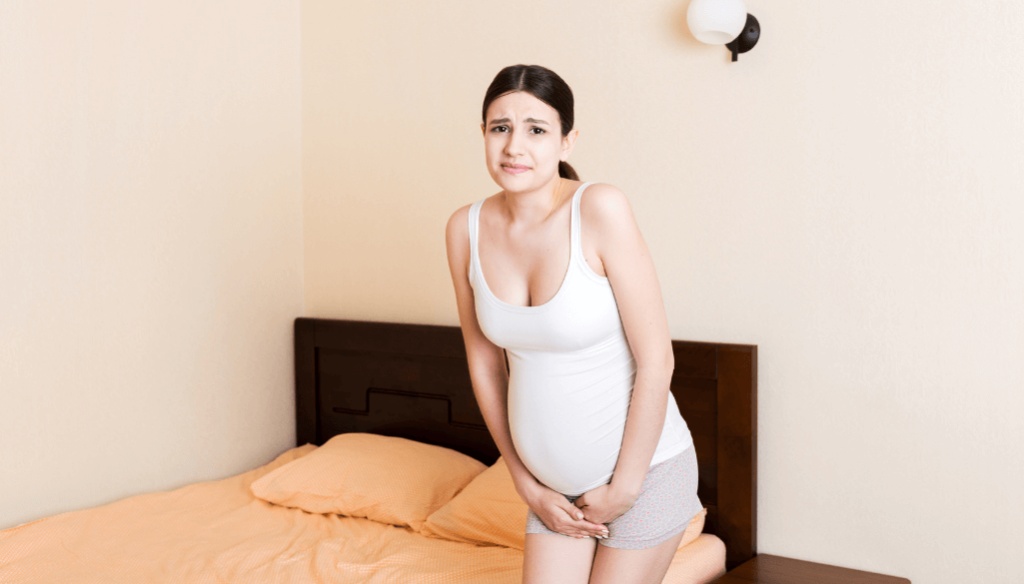
Postpartum Urine Leaks: Why Pelvic Floor Strength Is Only Part of the Picture
If you leak urine after childbirth, does it automatically mean your pelvic floor is weak and needs more Kegels? No. Reduced strength can contribute, but leaking may also involve how well the muscles relax, coordinate with breathing, and respond at the right moment when pressure rises.
This distinction matters because the same exercise plan will not suit every postpartum body. Pregnancy, birth, healing, sleep, feeding and the gradual return to activity can all shape what you are ready for now.
A pelvic floor needs more than strength
The pelvic floor helps support the pelvic organs and contributes to bladder control. During a cough, lift, brisk walk or jump, it needs to respond to changing pressure. Useful function includes being able to tighten, hold, release fully and coordinate with the abdominal muscles and diaphragm.
A muscle can have reasonable strength in a quiet position yet respond too late during a cough. It may fatigue with repeated effort, or remain so guarded that it does not move through a comfortable range. These are different findings, even if the visible symptom is the same: a leak.
What may contribute to postpartum leakage?
- Reduced pelvic floor strength or endurance after pregnancy and birth
- Difficulty sensing or performing a clear contraction and a full release
- Timing that does not match a cough, lift, landing or change of pace
- Breath-holding or pressure strategies that place more demand on the pelvic floor
- An activity level or load that currently exceeds the recovering system’s capacity
- Bladder symptoms such as urgency, which may need a different management approach
This list describes possibilities, not a diagnosis. More than one factor may be present, and the balance can change as recovery progresses.
Why simply adding more Kegels may miss the point
Pelvic floor muscle training can be helpful for urinary leakage, but it is a skill as well as an exercise. Good training may include an effective contraction, a complete release, normal breathing, appropriate rest and practice that matches the person’s findings and goals.
If you are unsure whether you are contracting the intended muscles, cannot feel them release, develop pain or pressure, or keep leaking despite regular practice, doing more repetitions is not necessarily the next step. An assessment can clarify what needs to be trained and what may need to be modified.
Pressure, breathing and timing in everyday movement
Coughing, lifting a baby, rising from the floor and exercise all change pressure through the trunk. Holding your breath or bracing very hard may increase the demand on a recovering pelvic floor. Breathing does not need to be perfect, but being able to keep air moving and coordinate effort can be useful.
Some people benefit from learning to prepare the pelvic floor just before a predictable cough or lift. Others first need better awareness, relaxation, strength, endurance, movement technique or a more gradual return to impact. The appropriate choice depends on assessment rather than the symptom alone.
What a pelvic health assessment may explore
- When leakage happens, how often it occurs and whether urgency is involved
- Pregnancy and birth history, healing, pain and current activity goals
- Breathing, trunk movement and pressure during relevant tasks
- Pelvic floor awareness, contraction, relaxation, timing and endurance
- Bladder and bowel habits that may be adding strain
The assessment should be explained and adapted to your comfort. Any physical or internal examination is optional and requires your informed consent; useful guidance can still begin with conversation and external observation.
What you can notice without diagnosing yourself
It can help to note which activities trigger leakage, whether it happens once or repeatedly, whether you feel urgency, and whether pain, heaviness or difficulty emptying your bladder is also present. These observations can guide a healthcare professional, but they cannot tell you on their own whether the pelvic floor is weak, overactive or poorly coordinated.
When to seek support
Consider speaking with a doctor or pelvic health physiotherapist if leakage is persistent, worsening, limiting daily life or exercise, or accompanied by pelvic pain, vaginal heaviness or difficulty emptying your bladder. Seek prompt medical care for fever, burning or blood with urination, sudden inability to pass urine, new leg weakness or numbness around the saddle area.
The main takeaway
Postpartum leakage is a symptom, not proof that your pelvic floor simply needs to become stronger. Strength may be part of the picture, but relaxation, coordination, timing, breathing, pressure and recovery stage may matter too. A plan based on your findings is more useful than automatically adding more Kegels.